Debt Consolidation Loans: Understanding When They Benefit You and When They Can Backfire
If you’re overwhelmed by credit card debt, medical expenses, or various personal loans, debt consolidation loans can seem like an ideal fix.
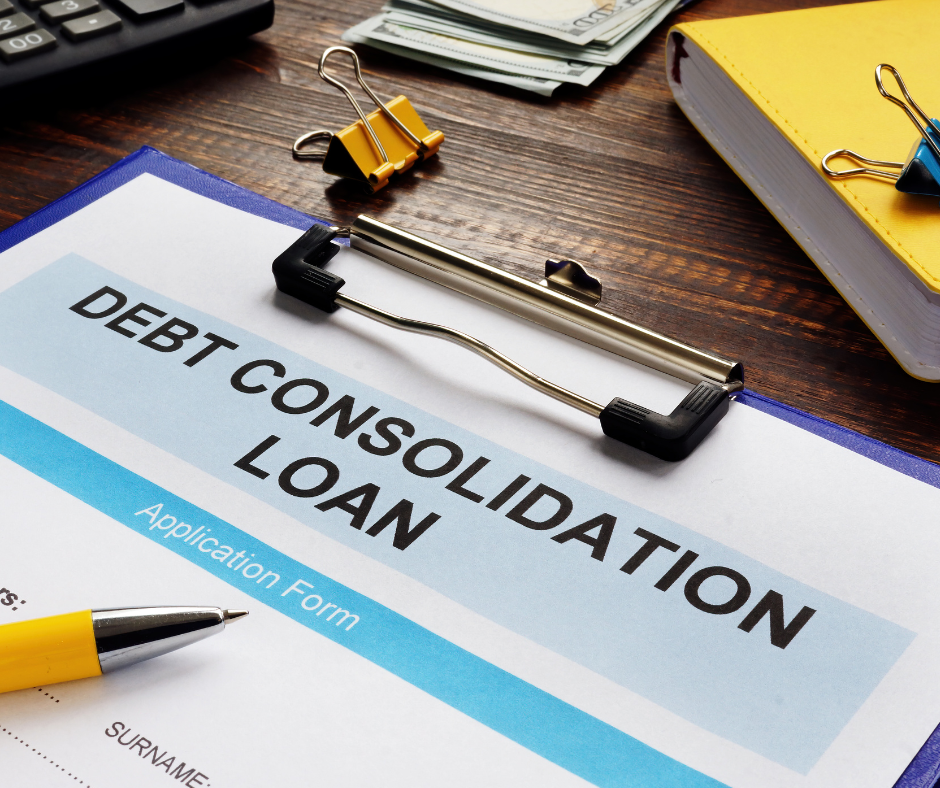
Swapping multiple payments for a single one often feels like progress. Yet, like any financial strategy, the effectiveness of a debt consolidation loan hinges on how, when, and why you apply it.
Let’s explore what these loans really offer and where they might lead you astray.
When debt consolidation loans can actually help
The biggest upside is convenience. Having just one monthly payment simplifies your finances and lowers the risk of missing due dates.
One major perk of debt consolidation loans is the chance to secure a lower interest rate, especially if your credit score has gotten better or your existing debts have steep rates. A reduced rate means a bigger portion of your payment goes toward paying down the actual debt instead of just covering interest.
Another benefit is consistency. Many consolidation loans come with fixed interest rates and set terms, so your monthly payment stays the same. This way, you can plan your budget knowing exactly how much you owe and for how long.
Finally, instead of feeling stuck just keeping up, you get a straightforward route to becoming completely debt-free.

Loans
How do personal loans work?
Discover our complete beginner’s guide!
LEARN MORE * You will remain on the current websiteBut be cautious—there are drawbacks as well
Sadly, debt consolidation loans can sometimes cause more issues if they’re not handled carefully.
A major concern is lengthening the repayment period. To lower monthly bills, lenders often spread payments over many years. While this may feel like a break at first, it can lead to paying more interest overall—even with a lower rate.
Another problem is the risk of falling back into debt. After clearing your credit card balances, it’s easy to start charging again. Without a solid plan or habit changes, you might end up doubling your debt instead of eliminating it.
Moreover, not every loan is a bargain. Some involve extra fees, such as origination charges, penalties for early payoff, or optional insurance that increases total costs. Be sure to carefully review all terms before committing.
While many see consolidation as a quick fix, not everyone receives good loan offers. If your credit score is poor or your debt-to-income ratio is high, you may only qualify for loans with steep interest rates that don’t improve your situation or could even worsen it.

Loans
Secured vs Unsecured Loans
Which one should you choose?
LEARN MORE * You will remain on the current websiteIs this part of a bigger plan?
Before you decide to consolidate your debts, pause to evaluate your current situation. Are you simplifying payments because you have a clear payoff plan, or are you just feeling overwhelmed and hoping for a quick fix?
Think of debt consolidation as a helpful tool, not a cure-all. It won’t wipe away your balances or change the spending habits that caused the debt. If you’re uncertain whether it’s the right move, consulting a certified credit counselor or financial advisor can offer valuable, impartial advice.
Simple fixes aren’t always the answer
Debt consolidation loans can help bring clarity to financial disorder. When used wisely, they make it easier to manage your debts, lower anxiety, and follow a straightforward repayment plan.
Ultimately, the aim isn’t only to make payments simpler. It’s about breaking old habits, which begins with honest self-assessment—not just taking out another loan.