
Fixed-Rate or Adjustable-Rate Mortgages: Which One Protects Your Budget Better?
When you’re buying a home, one of the biggest choices you’ll need to make is between a fixed-rate mortgage and an adjustable-rate mortgage.
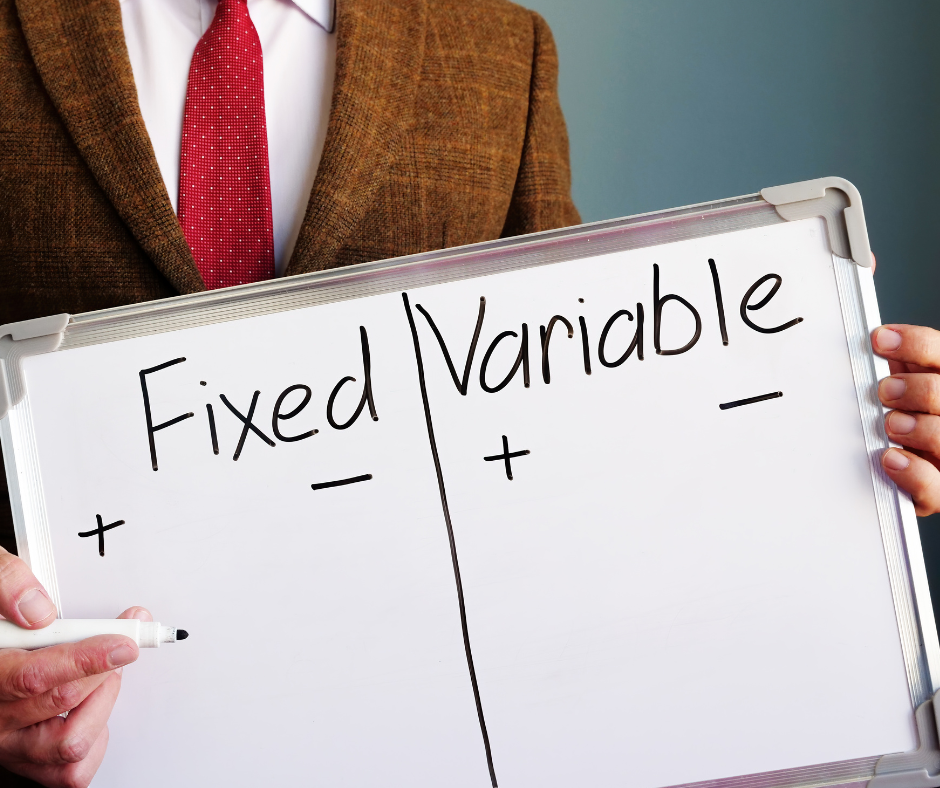
It might seem like a small technical detail, but this decision can affect your monthly payments, influence your long-term finances, and even impact your overall peace of mind.
So, which option is safer? Let’s simplify it—no complicated terms, no gimmicks, just straightforward comparisons to help you make an informed choice.
Fixed-rate vs adjustable-rate: what sets them apart?
Fixed-rate mortgages keep your interest rate steady throughout the entire loan term. Whether it’s 15 or 30 years, your rate remains unchanged regardless of market shifts.
Adjustable-rate mortgages (ARMs), in contrast, usually begin with a lower interest rate that lasts for a fixed period—commonly 5, 7, or 10 years. After this initial phase, the rate adjusts at regular intervals according to current market trends, which means your monthly payments might increase or decrease over time.
The stability factor
If you prefer consistency, a fixed-rate mortgage often feels like the safer bet. It guarantees a steady monthly payment, making budgeting simpler and more reliable—especially if your income is stable or you plan on living in your home for many years.
An adjustable-rate mortgage offers a tempting lower initial rate, which can be attractive when home prices are high. However, once the introductory period ends, the interest rate can rise. For homeowners with tight budgets, this unpredictability may present financial challenges.

Mortgage financing
The 28/36 rule explained
How much house can you really afford?
LEARN MORE * You will remain on the current websiteWhen flexibility takes priority
That said, adjustable-rate mortgages aren’t inherently risky. They can be a good choice for buyers who plan to sell or refinance before the interest rate changes. If you expect to move within a few years or anticipate your earnings increasing, an ARM might save you money upfront. However, it’s crucial to remember that market conditions can shift unexpectedly, and interest rate adjustments may not always benefit you.
Additional important factors
- Loan term: your intended length of stay in the home greatly influences the choice. Fixed rates suit long-term owners, while ARMs often benefit those with shorter timelines.
- Interest rate trends: if rates are climbing, locking in a fixed rate provides more certainty. Conversely, if rates are currently high but expected to fall, an ARM might offer better flexibility.
- Risk tolerance: some borrowers handle financial fluctuations better than others. Assess your comfort with variable payments before deciding.
Mortgage financing
Down payment assistance programs
Discover who qualifies and how to apply.
LEARN MORE * You will remain on the current websitePicking the option that fits you best
Deciding between fixed-rate and adjustable-rate mortgages isn’t a simple yes-or-no choice. Each type offers benefits and drawbacks, appealing to different financial situations and priorities. The most important thing is to find a mortgage that aligns with your personal circumstances, budget, and future plans.
Take time to carefully crunch the numbers and consult a reliable mortgage expert before making your final decision. Being well-prepared now can help you avoid unexpected issues and enjoy greater peace of mind down the road.
Understanding is the foundation of a safer mortgage
Ultimately, the safest mortgage is the one you fully grasp. Whether you go for a fixed or adjustable rate, having a clear understanding of how it works and how it fits your needs is crucial. Don’t hesitate to ask questions, take your time, and prioritize what truly suits your situation over what just sounds appealing.