
Solar power: can it truly lower your electricity costs?
Solar power is becoming a popular topic among those aiming to lower their regular household costs.
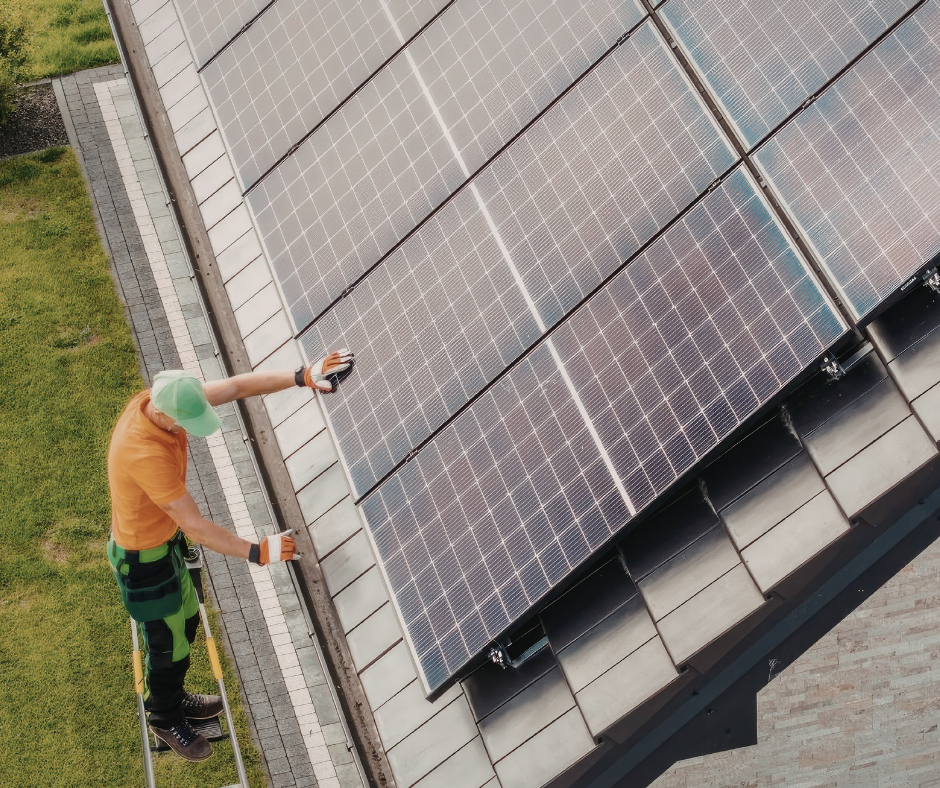
Electricity bills can strain monthly budgets—especially for people already struggling financially—making solar energy seem like a promising way to cut expenses.
That said, before investing, it’s crucial to grasp how solar energy actually functions and what tangible effect it might have on your finances.
How does solar energy operate in daily life?
Solar energy is generated by panels typically placed on a home’s roof. These panels absorb sunlight and transform it into electrical power. This means you depend less on the conventional power grid, which can lower your electricity expenses.
In reality, solar panels don’t completely remove your electricity bill. This is due to fixed fees and minimum charges that still apply. Still, based on your energy use and the system you install, you could see a notable drop in costs over time.
Moreover, the system’s effectiveness relies on factors like your geographic location, how much sunlight your panels receive, and how well the system is maintained. So, it’s not a quick fix but rather an option that needs thoughtful consideration.
Financial education
How to negotiate a lower APR
on your credit card?
LEARN MORE * Você continuará no site atualUpfront cost: the major hurdle
Here we reach the factor that often concerns most people: the initial expense.
Setting up a solar energy system demands a significant upfront cost. Even though financing options exist, this remains a decision that requires careful consideration—especially for those already facing debt or credit challenges.
Conversely, some view it as a long-term financial move. The concept is straightforward: invest more now in hopes of lowering fixed costs down the line. Still, it’s crucial to determine if this approach suits your current financial situation.
Real savings: what should you consider?
Many expect solar energy to bring instant savings, but it’s important to keep realistic expectations in mind.
Lowering your electricity bill is possible, but financial benefits usually don’t appear right away. This is because the upfront costs need time to be recovered, a timeframe influenced by factors like:
- Energy consumption at home
- Electricity costs prior to installation
- Loan or financing terms, if any
- Fluctuations in energy rates
Unexpected expenses can also come up, like upkeep or replacing parts over time. That’s why it’s important to carefully calculate costs and, when possible, test various scenarios before committing.

Financial education
How to spot predatory lending practices?
7 warning signs
LEARN MORE * Você continuará no site atualMaking smart savings starts with informed decisions
Solar power can lower your electricity expenses—but this varies based on many aspects, especially your financial situation.
Instead of searching for quick fixes, the most reliable approach is to make well-informed choices. Savings that look good on paper don’t always translate to real-life benefits, especially when finances are tight.
Before committing to any investment, carefully examine your current financial habits. Cutting back on waste, changing consumption patterns, and managing your budget effectively remain crucial—and often simpler—steps for anyone wanting to reduce monthly financial strain.