Debt Snowball or Debt Avalanche: Which Strategy Helps You Save the Most?
Debt snowball versus debt avalanche is a popular debate among those eager to eliminate their debt but unsure where to begin.

Your debt repayment plan greatly influences your overall experience. Both techniques aim to help you take back control, but they follow quite different strategies. Let’s explore them to help you decide which fits your personality and situation best.
What is the debt snowball method?
The debt snowball method is all about building momentum through motivation.
First, you order your debts from the smallest balance to the largest, disregarding interest rates. Then, you pay the minimum on every debt except the smallest one, which you pay off as quickly as possible using any extra funds. After clearing that, you move to the next smallest, and so forth.
Why does this approach resonate with so many? Because it offers quick wins. Paying off even a small debt feels like a big achievement, and that positive momentum often encourages people to keep going.
This method can be especially helpful if staying motivated is tough, as it builds a strong feeling of progress. Still, there’s a downside: because it doesn’t focus on the highest-interest debts first, you might pay more interest over time, particularly if your larger balances carry high rates.

Financial education
How to build credit from scratch
Discover our beginner’s step-by-step guide!
LEARN MORE * You will remain on the current websiteBreaking down the debt avalanche method
Now let’s explore the debt avalanche method. This strategy is focused entirely on the numbers.
With the debt avalanche method, you organize your debts by interest rate from highest to lowest. You direct any extra payments to the debt with the steepest rate while continuing to pay the minimum on your other debts. This approach aims to cut down the total interest you pay overall.
Focusing on the debt with the highest interest first lowers your overall borrowing costs. Over time, this strategy can save you money and speed up your debt repayment.
However, the drawback is that it might take longer to notice progress. If your highest-interest debt also carries a large balance, the early stages can feel slow, which might be discouraging for some.
Financial education
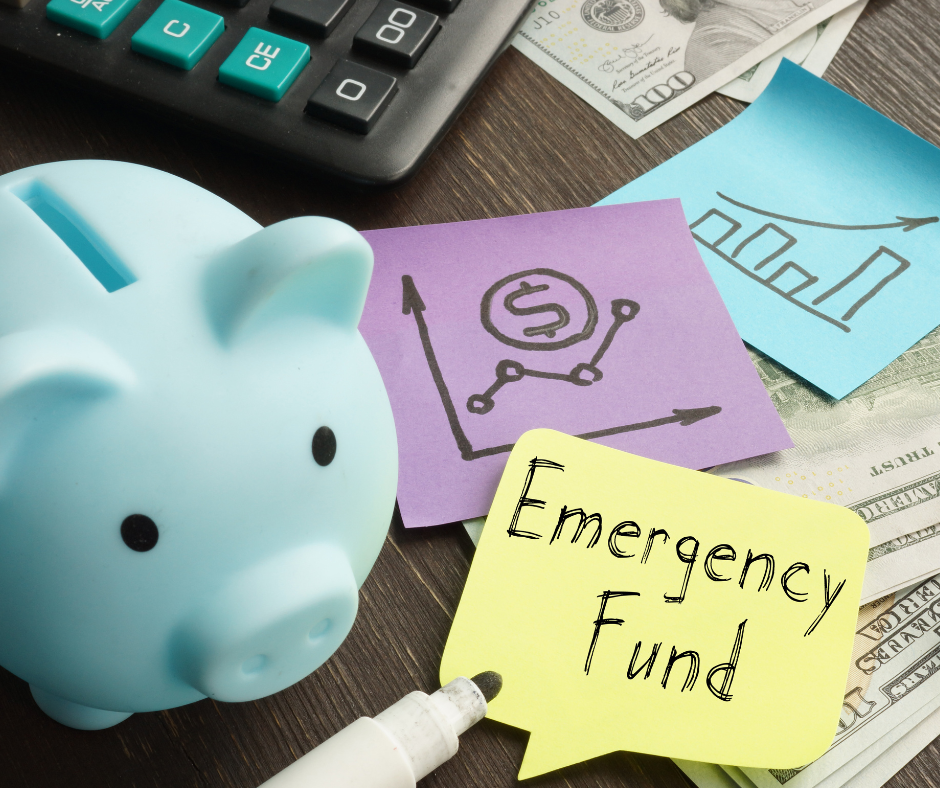
Emergency funds 101
Learn how much to save and where to keep it.
LEARN MORE * You will remain on the current websiteDebt snowball vs Debt avalanche: which approach is best?
There isn’t a universal solution. The right choice depends on your personality, priorities, and how you handle money.
If motivation is your main hurdle, the debt snowball method could be the boost you need. But if you prefer a more analytical approach and have patience, the debt avalanche method may save you more in the long run.
Some people find success with a mix of both methods—starting with the snowball to gain quick wins, then switching to the avalanche to maximize savings once momentum builds.
The key is choosing a method you can commit to. The best plan fits your lifestyle and keeps you steadily progressing toward your debt-free goal.
Prioritize progress over perfection
Both the debt snowball and debt avalanche strategies are effective. The important part is to begin. Instead of stressing over which is the perfect formula, pick a method that feels doable and keeps you motivated.
Getting out of debt is a process, not a sprint. Whether you gain momentum through quick wins or focus on lowering interest payments, what truly matters is that you’re making progress.